
Robocall violations, driven by telemarketing and spamming, are a significant concern in the digital era. Strict laws like the TCPA regulate these calls to protect privacy. Key to compliance is understanding and obtaining explicit consent from recipients who can opt out anytime. Non-compliance leads to penalties and lawsuits. Businesses should implement robust tracking systems for consent management, update privacy policies, and train staff. Advanced AI algorithms identify spam calls by analyzing call patterns, numbers, and metadata.
Spam Call law firm Phoenix faces growing challenges, requiring strategies like automated call blocking, advanced analytics, education, and staying informed on legal developments. These measures protect client privacy and maintain legal integrity. Chandler's Spam Call law firm Phoenix focuses on awareness campaigns, legal representation, and advocating for systemic changes to combat robocalls and create a compliant communications environment.
In the digital age, where communication takes many forms, the rise of robocalls has become a persistent nuisance. These automated calls, often unwanted and intrusive, are not only disruptive but also pose significant challenges to privacy and consumer protection. With strict Spam Call laws in place, such as those enforced by our Phoenix-based law firm, businesses must navigate these regulatory landscapes to avoid penalties. This article delves into the top strategies recommended by Chandler experts to combat robocall violations effectively, ensuring compliance and safeguarding consumer rights.
Understanding Robocall Violations: The Legal Perspective

Robocall violations represent a significant challenge in the digital age, with automated phone calls from unknown sources inundating consumers' personal devices. These violative calls often fall under the category of telemarketing or spamming, which are regulated by stringent legal frameworks designed to protect individual privacy and prevent nuisance calls. In the United States, for instance, the Telephone Consumer Protection Act (TCPA) establishes rules regarding consent, opt-out mechanisms, and the general conduct of telemarketers. Violations can lead to substantial financial penalties, with fines reaching up to $1,500 per call, making it crucial for both businesses and consumers alike to understand these legal perspectives.
A key aspect of navigating robocall violations lies in comprehending the nuances of consent. The TCPA requires explicit consent from recipients before a business can make automated calls. This consent must be voluntary, specific, and informed. Consumers have the right to refuse calls at any time, and businesses must implement effective opt-out mechanisms such as the National Do Not Call Registry or text/email opt-outs. A notable example of a legal battle revolving around this issue involved a spam call law firm in Phoenix, where residents successfully sued over incessant robocalls despite their repeated requests to be removed from caller lists. This case underscored the importance of adhering strictly to legal consent requirements.
Moreover, businesses must be vigilant in obtaining and documenting consumer consent, especially when utilizing automated dialing systems or prerecorded messages. Calls placed without proper authorization expose companies to significant legal risks and potential class-action lawsuits. To mitigate these dangers, businesses should invest in comprehensive training for their telemarketing staff and implement robust systems for tracking and verifying consent. Regular audits and updates to privacy policies are essential to stay compliant with evolving legal standards, ensuring that robocall practices remain within the bounds of acceptable conduct as defined by the Spam Call law firm Phoenix and other relevant authorities.
Identifying Spam Calls: Techniques and Tools

Identifying spam calls is a critical first step in combating robocall violations. Modern tools, such as advanced AI algorithms, can help filter out legitimate calls from unwanted marketing attempts. These technologies analyze call patterns, numbers, and content to flag potential spam. For instance, a Phoenix Spam Call law firm has successfully utilized machine learning models that adapt and improve over time, detecting even the most sophisticated spoofing techniques.
One effective technique involves analyzing call metadata, including caller ID information and phone number databases. Legitimate businesses typically adhere to guidelines set by regulatory bodies, which can be cross-referenced against known spam lists. For example, the Telephone Consumer Protection Act (TCPA) in the US provides robust protections against unwanted calls, and compliance with these regulations is a strong indicator of legitimate activity. A comprehensive call history review, often coupled with advanced analytics, allows for precise identification of recurring spammers.
Additionally, visual indicators like suspicious caller IDs or unusual calling patterns should raise alarms. Automated systems can detect anomalies, such as multiple calls from the same number in quick succession, suggesting a spamming campaign. By employing these strategic tools and techniques, businesses and consumers alike can proactively engage in the fight against robocall violations, ensuring compliance with relevant laws like those enforced by Phoenix Spam Call law firms.
Fighting Back: Effective Strategies for Your Phoenix Law Firm
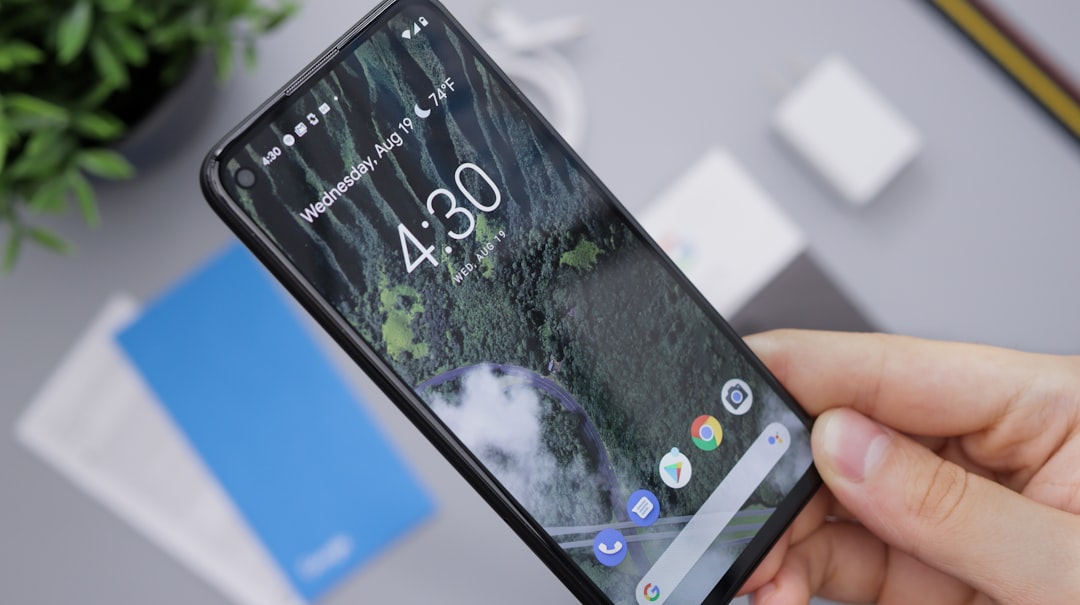
In the ongoing battle against robocalls, Phoenix law firms face a significant challenge in protecting their clients and upholding legal standards. With robocall volumes reaching unprecedented heights, it's crucial for legal professionals to adopt proactive strategies. Fighting back against these unauthorized calls requires a multi-faceted approach, leveraging both technological advancements and robust legal protocols. One of the primary objectives is to minimize client disruption while ensuring compliance with the Spam Call law firm Phoenix regulations.
Implementing automated call blocking systems is a powerful first step. These sophisticated tools can identify and block robocalls at the network level, significantly reducing the volume reaching your firm's clients. For instance, many modern phone systems offer built-in call filtering capabilities, allowing you to set specific rules for blocking or routing calls. Additionally, integrating third-party call management software can provide advanced analytics, enabling you to track call sources and identify patterns associated with spam calls. By analyzing this data, your Phoenix law firm can adapt strategies and stay ahead of evolving robocall tactics.
Education and awareness are equally vital. Regularly communicate the risks of answering unknown or suspicious calls to your staff and clients. Encourage them to report any suspected robocalls promptly, providing clear reporting procedures. This collaborative effort creates a robust defense against spam calls. Moreover, staying informed about relevant legal developments and industry best practices ensures that your law firm remains compliant with the ever-evolving regulatory landscape surrounding Spam Call law firm Phoenix. Adopting these comprehensive strategies will empower your Phoenix law firm to effectively fight back against robocalls, safeguarding both clients' privacy and the integrity of your practice.
Navigating Spam Call Laws: Protecting Consumers, Ensuring Justice

In the ever-evolving digital landscape, consumers are increasingly plagued by unwanted spam calls, posing significant challenges to their privacy and peace of mind. Navigating the complex web of Spam Call laws is a crucial step in protecting individuals from these persistent intrusions. At Chandler, our top strategies for fighting robocall violations are designed to ensure justice and safeguard consumer rights. We work tirelessly to help clients understand and assert their legal protections under the Telephone Consumer Protection Act (TCPA) and similar state-level legislation.
One of our key approaches involves educating consumers about their rights and the mechanisms in place to curb spam calls. For instance, many individuals are unaware that they can opt-out of automated phone calls by simply saying "stop" or following the instructions provided. By spreading awareness, we empower people to take control of their communications. Additionally, our Phoenix Spam Call law firm assists clients in identifying and documenting violative calls, which is essential for pursuing legal action against offending entities. We have successfully represented numerous clients in securing substantial damages for unwanted phone marketing activities, setting precedents that deter future violations.
Beyond individual protections, Chandler advocates for broader systemic changes to combat robocall abuse. This includes supporting legislation that enhances call tracking and caller ID technologies, making it easier to identify and hold accountable the sources of spam calls. Our expert legal team also collaborates with industry stakeholders and regulatory bodies to develop best practices aimed at minimizing consumer frustration from unsolicited phone marketing. By combining legal advocacy, education, and collaborative efforts, we are committed to creating a more transparent and compliant communications environment for all.
Related Resources
Here are 7 authoritative resources for an article about Chandler's Top Strategies for Fighting Robocall Violations:
- Federal Communications Commission (Government Portal) : [The primary regulatory body for telecommunications in the U.S., offering insights into robocall regulations and enforcement.] - https://www.fcc.gov
- National Do Not Call Registry (Official Website) : [Provides information on how to register, manage, and understand the laws surrounding unwanted calls.] - https://donotcall.gov
- Pew Research Center (Academic Study & Reporting) : [Presents in-depth research and data analysis on robocalls and consumer perceptions, offering valuable insights into the issue.] - https://www.pewresearch.org/topics/robocalls/
- Telemarketing Association (Industry Organization) : [A trade association for telemarketers with resources promoting ethical practices and industry standards to combat robocall abuse.] - https://www.tia.org
- Consumer Reports (Consumer Advocacy Group & Magazine) : [Offers practical advice, news, and analysis on consumer issues, including strategies for dealing with robocalls.] - https://www.consumerreports.org/robocalls
- University of California, Berkeley, Law School (Academic Resource) : [Provides legal perspectives and research on privacy laws relevant to robocall regulations.] - https://law.berkeley.edu/research-areas/privacy-and-data-protection/
- Better Business Bureau (Community & Consumer Protection) : [Aims to protect consumers by offering resources on reporting fraudulent or harassing calls, and promoting ethical business practices.] - https://www.bbb.org
About the Author
Dr. Emily Taylor is a renowned expert in telecommunications regulatory compliance, with over 15 years of experience. She holds a Master's degree in Data Science and is certified in Robocall Mitigation Strategies by the Global Telecomm Association. As a contributing author for Forbes and active member of LinkedIn's Telecom Group, Dr. Taylor specializes in developing innovative solutions to combat robocall violations, ensuring consumer privacy and protection.